November 25, 2026
Effective land management requires selecting the proper clearing technique to create functional and healthy spaces. Property owners frequently compare forestry mulching and brush hogging when planning agricultural, residential, or conservation projects. Each approach utilizes distinct machinery and delivers different ecological and financial results for your terrain. Understanding how these two methods operate will help you choose the right solution for your property. By familiarizing yourself with these techniques, you can make informed decisions that align with your land management goals. Effective land clearing ensures that your property remains sustainable and productive for years to come.
Understand How Forestry Mulching Works
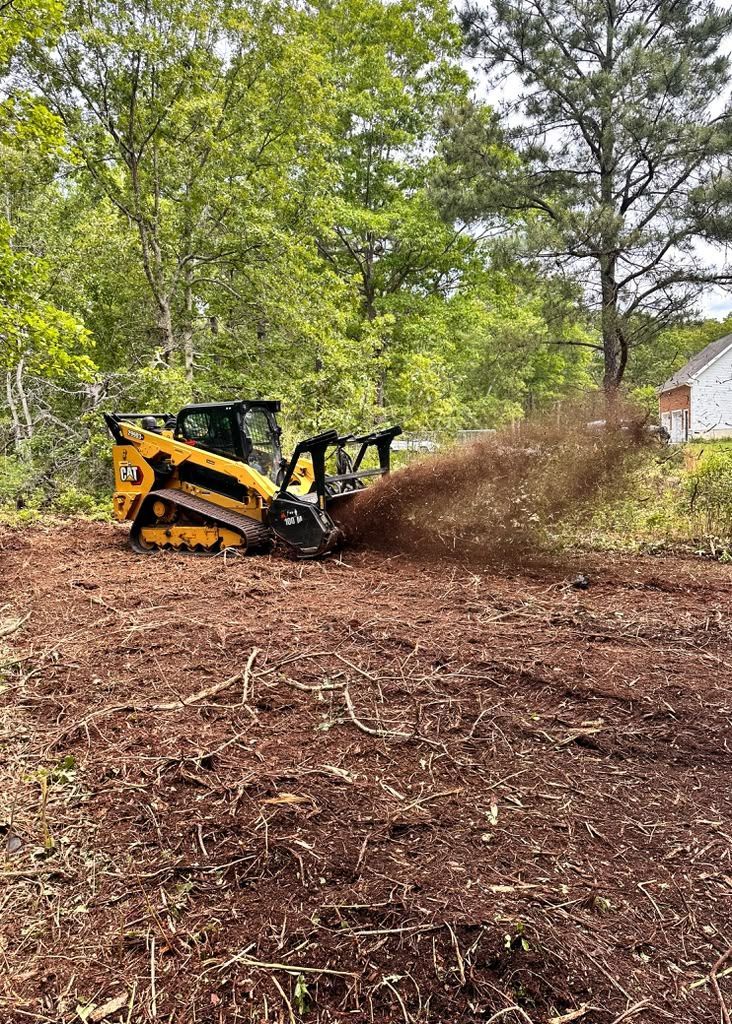
Forestry mulching is a specialized clearing process where one machine cuts, grinds, and clears vegetation into a fine mulch layer. The equipment uses a rotary drum fitted with durable steel teeth to shred small trees, thick brush, and undergrowth in a single pass. This method leaves behind a protective organic blanket that shields the ground from harsh weather while eliminating the need for hauling or burning debris. Because everything is processed on site, the surrounding soil structure remains largely intact and undisturbed. According to Onwr Ops, an individual mulching unit can process roughly one to three acres every day, depending on how thick the vegetation is and whether the ground holds light brush or dense hardwood trees. Consistent use of forestry mulching can lead to gradual ecological improvements over time. This method also reduces the carbon footprint linked with transporting and dumping debris.
Explore the Benefits of Mulching
Choosing this grinding method for forestry mulching provides substantial ecological advantages for long-term land stewardship. The shredded wood chips decompose gradually, returning vital organic nutrients to the earth and boosting overall soil fertility. This natural barrier also traps moisture and prevents soil erosion on sloped or vulnerable terrain. Additionally, removing dense undergrowth creates effective firebreaks that reduce wildfire risks around residential properties. Landowners also save money on labor and disposal fees because a single operator handles both clearing and waste processing simultaneously. The mulch produced acts as a natural habitat for beneficial insects, contributing to biodiversity. Coupled with proper planning, mulching can significantly enhance the aesthetic appeal of a property.
Recognize the Limitations of Mulching
Despite its environmental advantages, this technique is not ideal for every property or project scope. The heavy machinery struggles to operate safely on extremely steep, rocky, or unstable ground where traction is compromised. Furthermore, standard mulching heads cannot easily process massive, mature hardwood trees that require traditional logging equipment. Timing also matters because mulching thick green vegetation early in the spring can sometimes suppress native seed germination or release methane as wet piles ferment. Property owners must evaluate tree diameters and terrain stability before committing to this specialized approach. It is always advisable to consult with professionals to determine the most effective strategy for your specific circumstances. Understanding the limitations can prevent costly mistakes and ensure successful land management.
Learn How Brush Hogging Operates
Brush hogging relies on a heavy-duty rotary mower attachment pulled behind a standard agricultural tractor to slice through overgrown vegetation. Unlike forestry mulching, this method uses swinging metal blades to chop tall grasses, weeds, and thin saplings rather than shredding wood into fine particles. The cut plant matter falls directly onto the ground in coarse clippings, leaving a relatively uniform and tidy surface across open expanses. Because the machinery is widely accessible and straightforward to operate, farmers and landowners frequently use it for routine seasonal maintenance. This method allows for quick turnaround times, making it ideal for large-scale projects. Regular brush hogging also helps prevent the spread of invasive plant species by cutting them down before they can propagate.
Weigh the Advantages of Brush Hogging
This mowing approach excels in speed and affordability when managing large, open spaces with light to moderate growth. Many property owners already own compatible tractors, which keeps initial equipment rental and operational costs remarkably low. Operators require minimal specialized training to run a rotary cutter, reducing labor expenses for expansive agricultural fields, pastures, and utility access roads. Repeated mowing also disrupts the growth cycles of stubborn weeds and invasive grasses before they produce seeds. For routine aesthetic upkeep across flat acreage, rotary cutting delivers fast and predictable results. Moreover, brush hogging can be incorporated into integrated pest management strategies to control pests without chemical intervention. Routine maintenance through brush hogging can significantly increase the value of agricultural land over time.
Consider the Drawbacks of Brush Hogging
Rotary cutters face significant limitations when confronting dense woodlands, thick saplings, or rough, uneven landscapes. The blades cannot handle woody stems thicker than a couple of inches without risking severe mechanical damage to the deck and gearbox. Moreover, brush hogging only severs plants at surface level, leaving root systems intact to sprout back quickly during warm months. The coarse clippings left behind do not provide the same concentrated erosion control or moisture retention as a thick blanket of shredded wood mulch. Consequently, properties overgrown with woody brush often require frequent, repetitive mowing cycles to remain clear. This approach may not be suitable for areas requiring biodiversity conservation due to potential habitat disruption. For high-density vegetation, alternate approaches or supplemental methods might be necessary to achieve the desired results.
Compare Environmental and Soil Impacts
Evaluating the ecological footprint of each technique reveals clear differences in how they treat the local ecosystem. Forestry mulching actively rebuilds topsoil health by depositing a continuous biodegradable layer that moderates ground temperatures and prevents runoff. It also allows operators to selectively clear invasive undergrowth while preserving mature, desirable trees and wildlife habitats. Conversely, brush hogging clears wide swaths indiscriminately, which can temporarily disrupt ground-nesting animals and leave exposed soil vulnerable to heavy rain. When long-term soil regeneration and habitat preservation are top priorities, shredding vegetation into mulch offers superior environmental protection. The choice between these methods also impacts microbial activity and water conservation on the cleared land. Each technique's ecological footprint should be carefully considered to align with environmental sustainability goals.
Determine the Best Method for Your Property
Selecting between these two clearing options depends entirely on your vegetation density, terrain features, and long-term land goals. If you are clearing overgrown woods, reclaiming neglected acreage, or preparing a forested lot without disturbing the topsoil, forestry mulching is the superior choice. On the other hand, if you maintain open pastures, fields, or flat trails covered primarily in tall grass and light weeds, brush hogging provides a faster and more economical solution. Budgeting also plays a key role, as mulching requires a higher upfront investment for specialized equipment while rotary mowing demands lower initial costs but more frequent follow-up visits. It's essential to weigh the initial costs against potential long-term savings through reduced maintenance.
Transforming overgrown acreage into usable, healthy land starts with choosing the right clearing strategy for your unique terrain. Both techniques offer reliable ways to reclaim your property, whether you need heavy brush shredded into nutrient-rich mulch or open fields mowed down for seasonal maintenance. Investing in professional clearing protects your soil, enhances curb appeal, and sets your landscape up for long-term success. For expert guidance and reliable land clearing tailored to your specific property needs, contact Fredy's Tree Service today to schedule a consultation and get your project started. Ensuring that your land remains productive and sustainable requires commitment to appropriate land management practices. Partnering with experienced professionals guarantees that your land receives the care and expertise necessary for optimal results.