October 29, 2026
Few sights are more disheartening to a property owner than a once-vibrant shade tree showing sudden signs of distress. Whether you have noticed wilting foliage, premature leaf drop, or suspicious lesions spreading along mature branches, the immediate question is almost always the same: is the tree doomed, or can it still be rehabilitated? While not every tree can survive severe trauma or advanced infection, strategic removal of compromised limbs often serves as a lifeline. Knowing when timely tree pruning can halt decline is the key to preserving your landscape's most valuable assets before decay spreads beyond recovery.
Diagnose the Symptoms of Tree Decline
Before taking any corrective action, you must distinguish between natural seasonal shedding, environmental shock, and genuine pathogen-driven decline. Trees exhibit distress through visible indicators across their foliage, bark, and branch unions.
- Foliage anomalies: Premature yellowing (chlorosis), sudden browning of leaf margins, scorched tips, and early defoliation often signal that moisture and nutrients are not reaching the outer canopy.
- Bark irregularities: Peeling bark, deep vertical fissures, oozing sap (fluxing), and the emergence of bracket fungi or mushrooms along the trunk or major limbs point toward active rot.
- Canopy dieback: When entire twigs or secondary branches fail to produce buds in the spring, those sections have begun shutting down.
A quick and reliable diagnostic method is the scratch test. Use your thumbnail or a pocket knife to gently scrape the outer surface of a suspect twig. If the cambium layer beneath is vibrant green and moist, the tissue remains alive. If the layer is dry, brittle, and brown, that portion of the wood is dead. Contact a professional to assess whether localized tree pruning is appropriate or if root decay has already compromised the entire system.
Understand How Strategic Cuts Stop Disease
Trees do not heal in the way animal tissue regenerates; instead, they seal off damage through a biological process known as compartmentalization. When an infectious microorganism invades the vascular system—the xylem and phloem vessels responsible for transporting water and carbohydrates—the tree produces chemical barriers to wall off the pathogen.
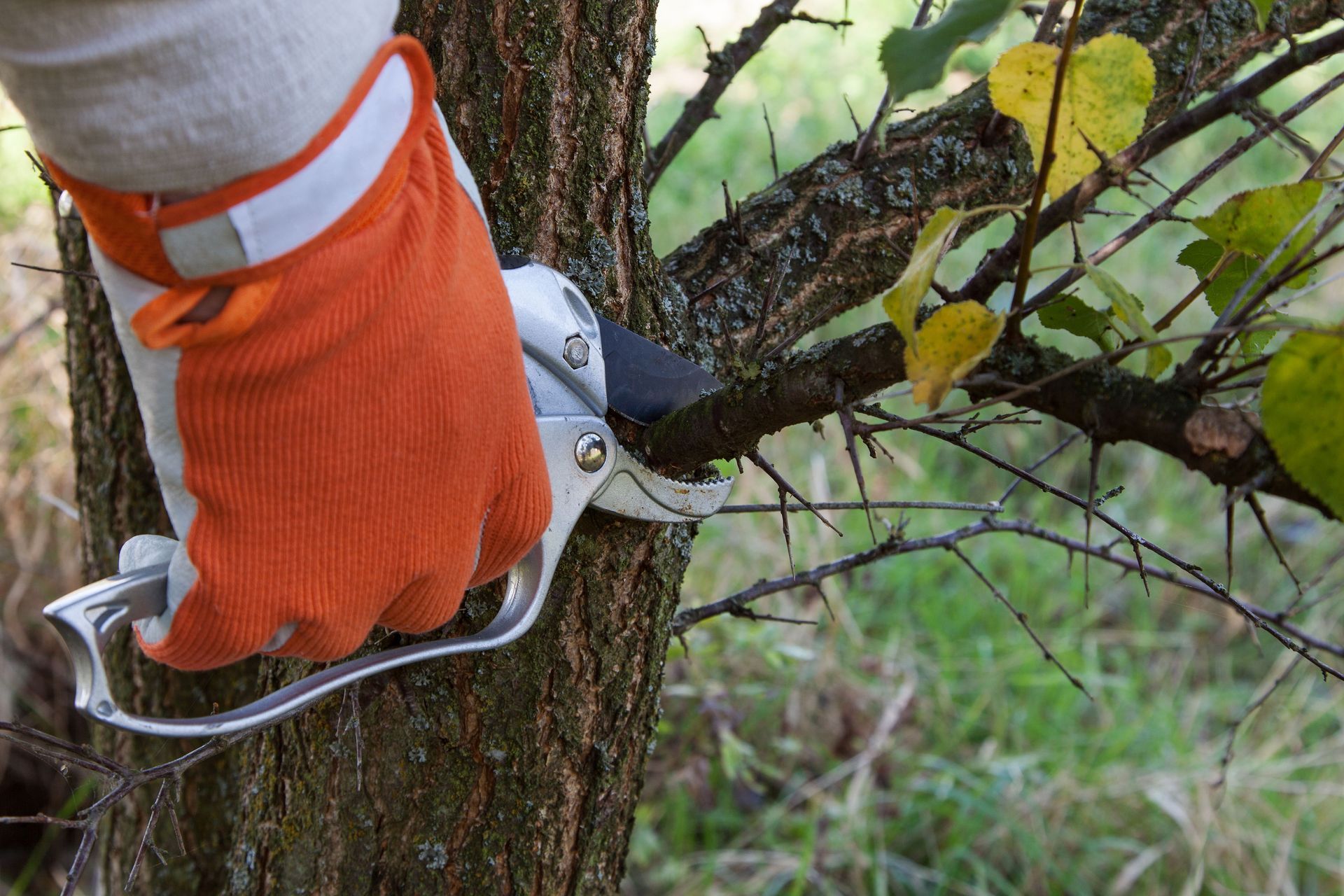
In cases of localized bacterial or fungal outbreaks, selective tree pruning physically extracts the infected wood before toxins migrate deeper into the heartwood. Eliminating pathogen reservoirs through sanitation pruning stops spores from overwintering and reinfecting emerging shoots in subsequent seasons.
Thinning out crowded interior canopies also alters the microclimate of the tree. Many aggressive fungal strains, such as anthracnose and powdery mildew, thrive in stagnant, humid air pockets. Selective canopy thinning allows sunlight to penetrate inner foliage and accelerates evaporation after rainstorms, creating an inhospitable environment for lingering fungal spores.
Trust Professional Arborists for Precise Surgical Cuts
The physical execution of each cut directly determines whether a tree recovers or experiences further vascular trauma, which is why property owners should rely on trained professionals who understand tree biology inside and out. Qualified arborists know how to respect the tree’s natural anatomy—specifically protecting the branch bark ridge and the branch collar, the swollen area of trunk tissue at the base of each limb. They know to avoid flush cuts that slice into this collar and destroy the specialized cells responsible for closing over wounds, as well as prolonged stubs that fail to seal and invite insect infestation.
Sanitation protocol is another area where professionals excel. Pathogens adhere effortlessly to cutting blades, meaning unsterilized saws can spread infection across an entire canopy in minutes. Commercial crews utilize rigorous decontamination procedures between every single cut, systematically neutralizing fungal and bacterial spores with medical-grade sanitizing solutions.
Beyond clean technique, certified arborists possess the clinical knowledge required to judge how far an infection has truly traveled beneath the bark. According to Oklahoma State University, when treating virulent infections like fire blight, cuts should be made 12 to 18 inches below the discolored sites to ensure all invisible, advancing bacterial fronts are entirely excised. Because improper tree pruning can create ragged wounds that accelerate decay rather than stop it, trusting seasoned specialists guarantees the precise anatomical cuts necessary to give your tree the best odds of survival.
Recognize the Signs of an Unsalvageable Tree
While selective canopy intervention can resolve many localized problems, there is a threshold beyond which no corrective measures can salvage a specimen. Understanding when a tree poses a structural hazard prevents wasted investments and eliminates safety risks to nearby structures and pedestrians.
- The 50% Canopy Threshold: Our experts say that as a general rule of thumb, if more than half of a tree’s total canopy is dead or severely defoliated, the root system can rarely generate enough photosynthetic energy to fuel recovery.
- Systemic Vascular Wilt: Aggressive pathogens such as Oak Wilt or Dutch Elm Disease attack the tree’s primary water-transport vessels. Once these systemic infections take hold throughout the main trunk, external cuts cannot eliminate the vascular blockage.
- Severe Structural and Root Failure: Extensive trunk hollowing, widespread trunk cracking, decayed structural root plates, or an abrupt soil heave accompanied by a sudden lean mean the tree is structurally compromised.
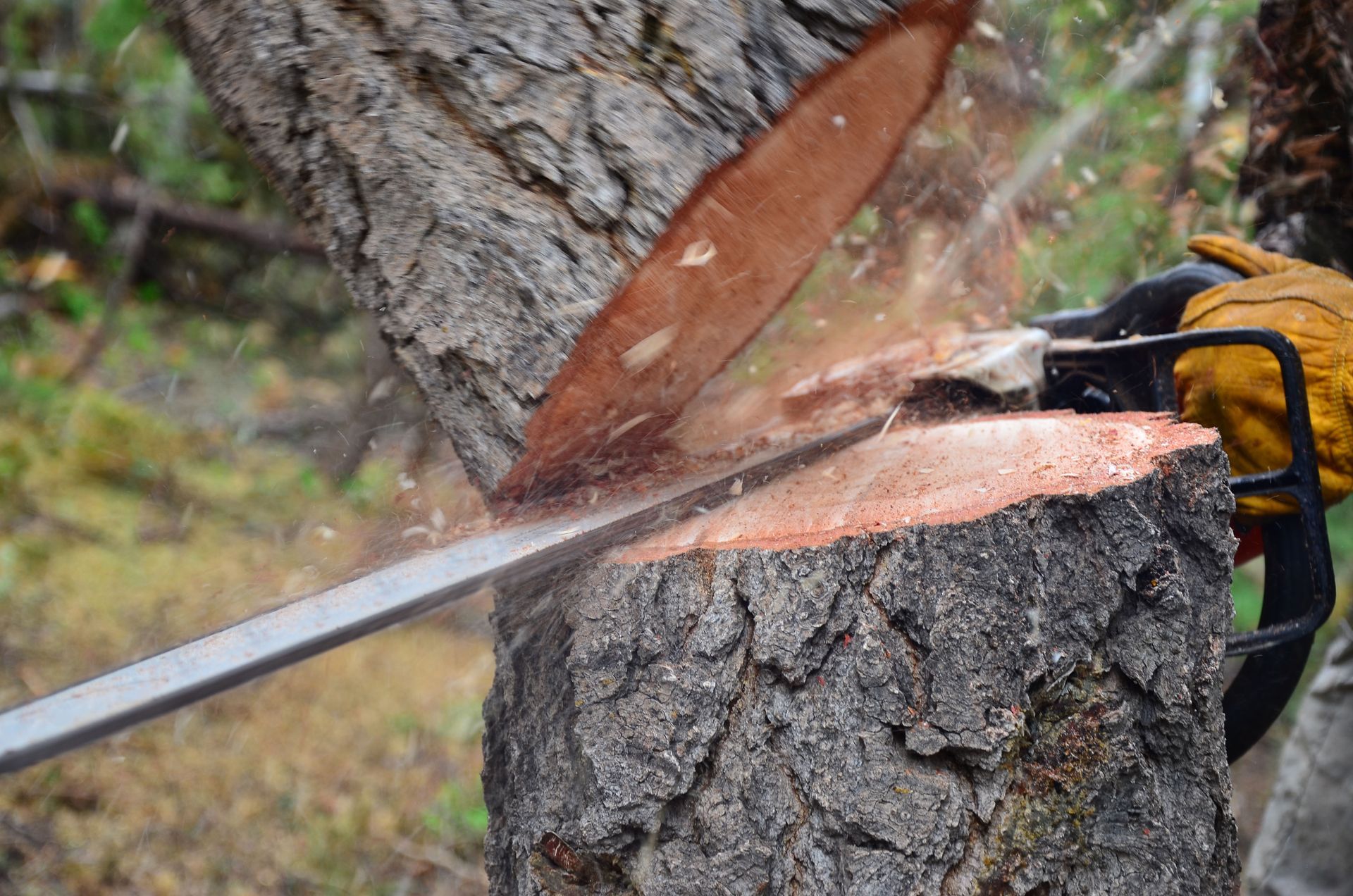
When systemic decay or extensive root rot takes hold, corrective tree pruning will no longer restore vigor, and safe removal becomes the necessary step.
Prevent Future Outbreaks Through Routine Canopy Care
Rescuing a declining tree requires ongoing maintenance to ensure vulnerabilities do not resurface. Rather than treating canopy work strictly as an emergency response, ongoing preventive maintenance keeps trees resilient against pest pressure and environmental stressors like drought, heat, and severe wind.
Timing plays a significant role in minimizing biological stress. For most deciduous trees, late winter or early spring—while the tree remains dormant—is the ideal window for structural management. Dormant cuts prevent sap loss, lower stress levels, and occur when infectious fungal spores and boring insects are inactive.
Routine care should prioritize the systematic removal of the "Three Ds": dead, damaged, and diseased wood. Eliminating these compromised branches removes entry points for opportunistic wood-decay fungi. When paired with root-zone mulching, adequate irrigation during dry spells, and avoidance of heavy soil compaction, scheduling regular tree pruning as part of an ongoing landscape maintenance plan strengthens structural integrity and minimizes disease susceptibility year after year.
Safeguard Your Property Against High-Altitude Hazards
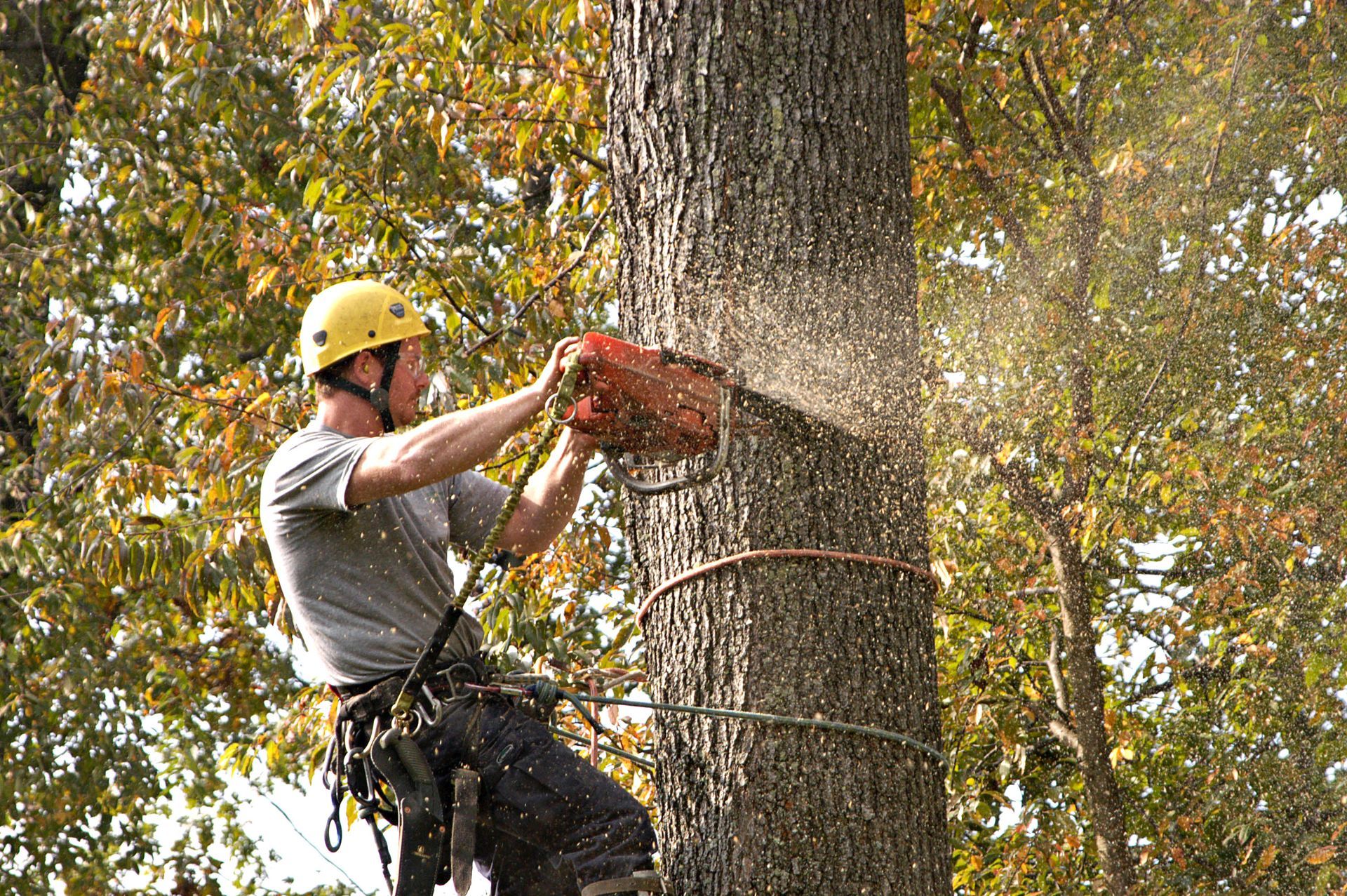
Even when property owners understand the biological importance of proper cuts, the physical reality of treating full-scale canopy decline introduces extreme hazards that go far beyond standard yard maintenance. Working high off the ground on diseased wood carries severe risks, as dying limbs are structurally compromised, brittle, and liable to snap unpredictably under tension or body weight. When compromised branches hang close to high-voltage electrical lines, rooflines, or vehicle parking areas, a routine cut can rapidly escalate into a catastrophic emergency.
Professional tree care companies manage these elevated risks by utilizing specialized aerial equipment, non-conductive tools, and advanced friction rigging systems. These controlled lowering techniques allow crews to systematically dismantle heavy, compromised timber mid-air and guide it safely to the ground without damaging surrounding landscape structures or adjacent homes. Furthermore, reputable tree care companies carry comprehensive liability and workers' compensation insurance, fully shielding property owners from financial exposure in the event of an accident.
A diseased or declining tree is not always a lost cause. When structural problems and infectious pathogens are identified early, targeted interventions can halt the spread of rot, restore balance, and give the tree the space it needs to seal off wounds. With timely diagnosis and careful
tree pruning, you can give a declining tree a second chance at a long, healthy life.
If you suspect disease or premature dieback in your canopy, contact the certified team at Fredy's Tree Service today to schedule a comprehensive tree health evaluation. Our experienced arborists will accurately diagnose underlying issues, eliminate damaged limbs, and determine the safest treatment plan to protect your landscape. Let us restore strength, safety, and vitality to your property's trees for years to come.