September 25, 2026
Maintaining a beautiful and safe landscape requires constant attention to the natural elements surrounding your home. While mature foliage adds immense aesthetic value and provides essential shade during warmer months, there are times when intervention becomes absolutely necessary. Property owners often face difficult decisions regarding the health and safety of the large plants towering over their roofs, driveways, and outdoor living spaces. Knowing how to manage these towering giants is a critical part of responsible homeownership. Sometimes, the most responsible action is to eliminate a hazard before it causes catastrophic damage to your property or poses a risk to your family. In these situations, careful planning and professional execution are paramount to ensure the safety of everyone involved. The process of tree removal is complex and demands a deep understanding of arboriculture and safety protocols.
Identifying Signs of Disease and Decay
Recognizing the early indicators of poor health in your landscape can save you from unexpected disasters. Fungal growth on the trunk, deep cracks in the bark, and extensive deadwood in the canopy are all warning signs that a specimen is struggling to survive. When a plant begins to rot from the inside out, its structural integrity is severely compromised, making it susceptible to falling during high winds or heavy storms. You might notice unusual leaf discoloration or early leaf drop out of season, which can indicate serious underlying issues. A thorough inspection of the root zone might reveal lifting soil or severed roots, further weakening the foundation. Catching these signs early gives property owners the opportunity to evaluate their options before an emergency occurs. If decay has spread too far, proactive tree removal might be the safest course of action to prevent accidental property damage.
Assessing Structural Damage and Risk
Weather events and natural growth patterns can create dangerous situations in your yard. Heavy ice, strong winds, and lightning strikes can cause massive branches to break or leave trunks dangerously split. Even without severe weather, a specimen might grow with a severe lean or develop codominant stems, which are prone to splitting under their own weight. When a heavy limb hangs directly over your roof, power lines, or children's play areas, the risk factor increases exponentially. Evaluating the trajectory of a potential fall is an essential step in property risk management. If the structural damage is too extensive to be corrected with strategic pruning or cabling, eliminating the hazard entirely becomes the most logical choice. Property owners must prioritize safety above all else, which often means proceeding with a carefully planned tree removal to secure the perimeter of the home.
Evaluating the Environmental Impact of Your Choice
Deciding to cut down a large piece of your landscape comes with ecological considerations. According to the Arbor Day Foundation, a single mature tree can absorb approximately 48 pounds of carbon dioxide per year. Losing this natural air purifier affects the immediate environment, reducing shade and altering the local ecosystem that birds and beneficial insects rely on. However, leaving a heavily diseased or dying specimen in place can sometimes pose a greater environmental threat if it harbors invasive pests or contagious diseases that could spread to neighboring flora. Responsible property management involves weighing these ecological benefits against the pressing safety concerns. When safety dictates that a specimen must go, many property owners choose to plant new, native saplings elsewhere on the property to offset the environmental loss. This balanced approach ensures that while tree removal solves an immediate hazard, the long-term health of the local ecosystem is still supported.
Planning the Safest Approach for Your Property
Executing a large-scale landscape adjustment requires meticulous strategy and foresight. It is never a simple matter of making a cut and watching the trunk fall. The surrounding area must be carefully analyzed to calculate the precise drop zone, taking into account nearby fences, outbuildings, and neighboring properties. Obstacles on the ground, such as delicate flower beds or expensive hardscaping, must be protected from heavy falling debris. Additionally, overhead obstacles like utility wires add a layer of extreme danger that requires specialized handling. Planners must also consider the logistics of transporting heavy wood and brush off the property once the main task is complete. Without a comprehensive plan, the likelihood of collateral damage or severe injury skyrockets. A methodical approach guarantees that the actual tree removal is executed smoothly, cleanly, and without causing any unnecessary destruction to the surrounding environment.
Protecting Your Home During the Process
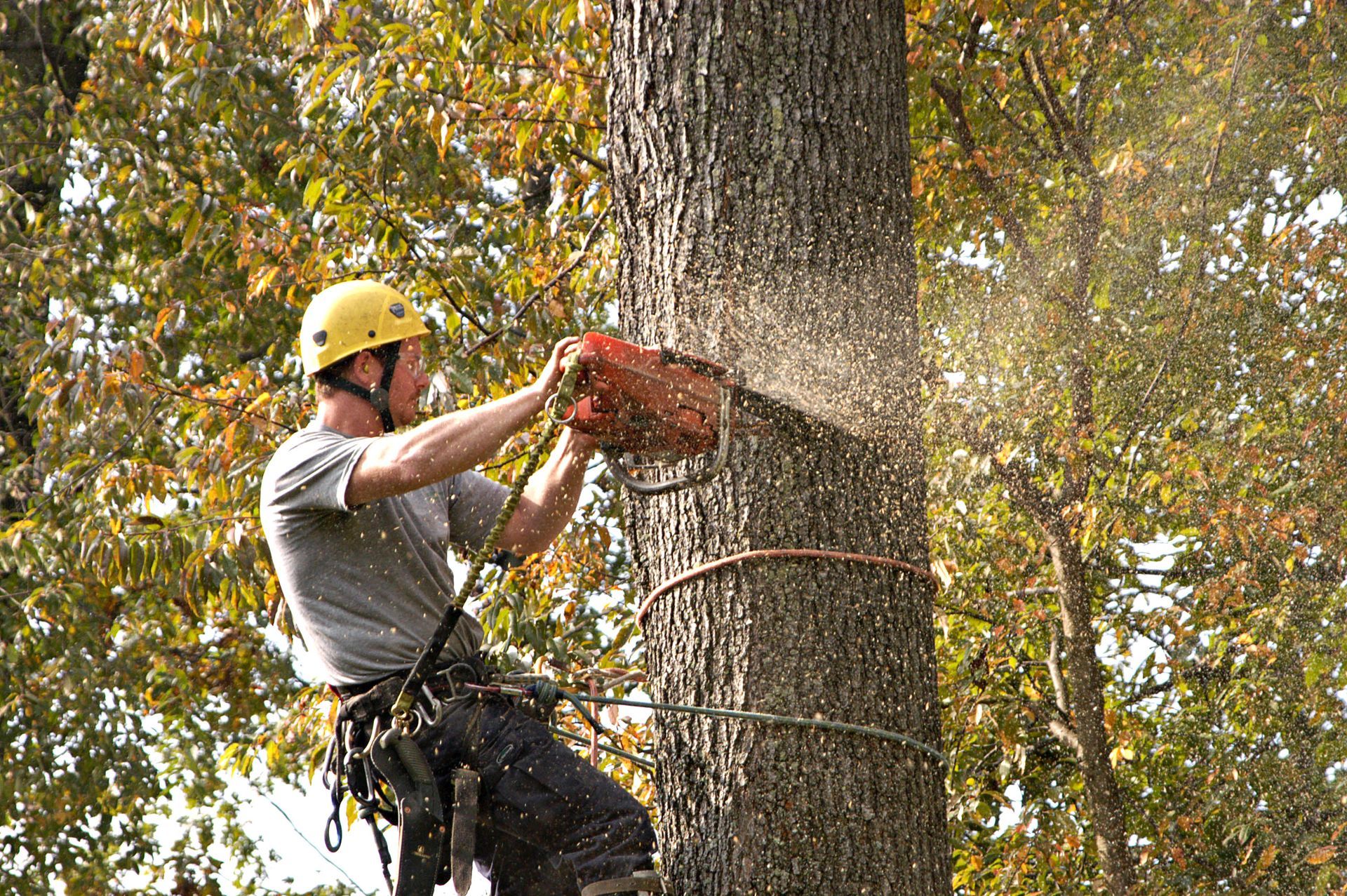
Safeguarding your most valuable asset is the primary objective when heavy machinery and massive falling objects are involved. The vibrations and impacts associated with bringing down a massive trunk can easily damage foundations or shatter windows if proper precautions are not taken. Expert operators use advanced rigging techniques, ropes, and pulleys to dismantle large specimens piece by piece, carefully lowering heavy sections to the ground rather than letting them free-fall. Ground protection mats might be utilized to prevent heavy equipment from tearing up your manicured lawn or cracking your driveway. Clear communication among the ground crew ensures that everyone is aware of exactly when and where the next piece will land. By prioritizing damage prevention at every stage of the operation, experts ensure that the tree removal leaves your home and remaining landscape in pristine condition.
Hiring Professionals for Complex Situations
Handling dangerous natural elements is not an appropriate task for amateur weekend warriors. The sheer weight and unpredictable nature of falling timber make this work incredibly perilous. Trained arborists possess the specialized knowledge required to read the tension in wood, anticipate how a trunk will react to a cut, and safely operate dangerous equipment while suspended high above the ground. They arrive equipped with industrial-grade chainsaws, wood chippers, bucket trucks, and essential personal protective gear that the average homeowner simply does not own. Furthermore, legitimate operations carry comprehensive liability insurance, protecting you from financial ruin if an accident were to occur on your property. Investing in experienced specialists provides peace of mind, knowing that a highly hazardous tree removal will be completed safely, efficiently, and in strict accordance with industry safety standards.
Maintaining Your Landscape After the Fact
Once the primary hazard has been eliminated, the recovery phase of your outdoor space begins. The remaining stump can be an unsightly tripping hazard that attracts termites and ants if left to rot in the ground. Many property owners opt to have the stump ground down beneath the soil level, allowing grass or new plants to grow over the area seamlessly. The soil in the affected area might need to be amended with fresh topsoil and fertilizer to recover from the disruption. It is also an excellent time to assess the remaining plants in your yard to ensure they are healthy and receiving adequate sunlight and nutrients now that the canopy has changed. Ongoing maintenance, including regular watering and pruning of your remaining flora, will keep your property looking vibrant. Proper aftercare ensures that your yard recovers beautifully and continues to thrive long into the future.
Taking care of your property requires making tough decisions to ensure the safety and beauty of your home. Recognizing the signs of decay, assessing structural risks, and prioritizing professional handling are all vital steps in maintaining a secure outdoor environment. When you face complex landscaping challenges that demand expert precision and care, relying on trusted professionals guarantees peace of mind and excellent results. Protect your home and restore the beauty of your yard with the help of experienced specialists. Reach out to Fredy's Tree Service today to learn more about how we can expertly manage your most difficult landscape projects safely and efficiently.